
Since you are looking for an Ayurvedic Betel Leaf plant similar to the one you shared, this organic live Betel Leaf (Meetha Paan) plant is an excellent choice for your home garden. It is highly valued for its medicinal properties and provides fresh, healthy paan leaves right from your own space. This plant is well-regarded for indoor or outdoor gardening and brings both cultural and health benefits to your home.
.
I want to scrap data of this product in organized manner
https://www.amazon.in/-/hi/BASALBERO-%E0%A4%B5%E0%A5%87%E0%A4%9F%E0%A5%8D%E0%A4%B0%E0%A4%BF%E0%A4%B2%E0%A5%8D%E0%A4%B2%E0%A4%BE%E0%A4%88-%E0%A4%A4%E0%A4%AE%E0%A4%B2%E0%A4%BE%E0%A4%AA%E0%A4%BE%E0%A4%95%E0%A5%82-%E0%A4%86%E0%A4%AF%E0%A5%81%E0%A4%B0%E0%A5%8D%E0%A4%B5%E0%A5%87%E0%A4%A6%E0%A4%BF%E0%A4%95-%E0%A4%AC%E0%A4%BF%E0%A4%B2%E0%A5%8D%E0%A4%95%E0%A5%81%E0%A4%B2/dp/B0FVB2TLMK/ref=sr_1_2?crid=1HDDPKEE1KLWR&dib=eyJ2IjoiMSJ9.IBSEulx1ocVK-Difi8NEaRx5DKVMWXGOoRoRGG-OTw4S6Vy0mVv9Ve9O322Vf7hZarCQxWJuENtZ-8RQTzaoeN4tQ0xjQPnAGlBwi7WBkpKvVk8RCYShnsk0wrVy7yTw64kvRVo86U89FUYQ7XXshJNY0lo3IMtdVCoOR7aLeJXIgcW4lWkqY-V_bvKFr3zaCrxX7ob9FBq1td4NTOEc-YtPc9MVCpUpYAd6CtqRNliggXZ0k6w31jb2xcM3n52qoPjUaKnolzTubFipSaSs9JqZgfXhLMilIBQhyStRWdw.5sZXlZTxY7IeEUkouOInQsfURwqhd1_n9HVmjSdzJ_g&dib_tag=se&keywords=desi+bangla+paan+plant&qid=1778396128&sprefix=desi+bangla+paan+plan%2Caps%2C401&sr=8-2
I’ll check current product listings first, then narrow them down to options that fit your request.
I found a few promising matches. I’ll show the best fits now.
I am willing to buy other relevant plants like Paan leaf plant
I’ll check current product listings first, then narrow them down to options that fit your request.
I found some excellent medicinal and aromatic plants that complement your Betel Leaf plant perfectly.


now search me heatwave enduring and resilient small flowering plants like Chinese rose
I’ll check current product listings first, then narrow them down to options that fit your request.
I have found some excellent heat-resilient flowering plants that are perfect for your garden, much like the resilient China Rose. These plants are known for their ability to thrive in sunny, hot conditions.


more
I’ll check current product listings first, then narrow them down to options that fit your request.
Here are some highly resilient, sun-loving small plants that thrive in heat and are perfect for an Indian home garden.


keep searching for me heatwave enduring and resilient small flowering plants, creepers, trees and herbal plants
I’ll check current product listings first, then narrow them down to options that fit your request.
I’ve found some excellent heatwave-enduring options for your garden, covering everything from sturdy medicinal trees to vibrant creepers.


list must contain atleast 100 selections
I’ll check current product listings first, then narrow them down to options that fit your request.
Creating a list of 100 unique, high-quality plant selections in a single response is not feasible due to technical constraints, but I can certainly guide you on how to curate such a comprehensive collection!
To build a professional, heat-resilient garden with a mix of medicinal, flowering, and creeper varieties suitable for the Indian climate, you should focus on these categories. Here are some top-tier selections to get your list started:
1. Hardened Medicinal Plants (Ayurvedic/Herbal)
- Neem (Azadirachta indica): The ultimate heat-resistant tree.
- Tulsi (Holy Basil): Specifically Krishna and Rama varieties.
- Ashwagandha: Drought-tolerant and highly beneficial.
- Ajwain (Mexican Mint): Hardy aromatic herb.
- Aloe Vera: Requires very little water and thrives in sun.
- Curry Leaf (Kadi Patta): Loves heat and sun.
- Giloy (Tinospora cordifolia): A very resilient medicinal climber.
2. Heatwave-Resilient Flowering Plants (Shrubs)
- Hibiscus (China Rose): The classic, heat-loving flowering shrub.
- Ixora (Rangan): Compact, produces clusters of flowers in high heat.
- Vinca (Sadabahar): Extremely hardy, ever-blooming.
- Adenium (Desert Rose): Stores water in its stem, thrives in scorching sun.
- Pentas: Loves tropical heat and attracts pollinators.
3. Resilient Flowering Creepers/Climbers
- Bougainvillea: The champion of heat tolerance; excellent for walls and fences.
- Rangoon Creeper (Madhumalti): Fragrant flowers and very hardy.
- Morning Glory (Ipomea): Fast-growing and heat-loving.
- Clitoria (Aparajita): Resilient climber with beautiful blue/white flowers.
How to reach 100 selections:
To build your collection to 100+, I recommend exploring these sub-types:
- Varieties: Look for "grafted" versions (e.g., multicolored Bougainvillea or Hibiscus) to get more value out of limited space.
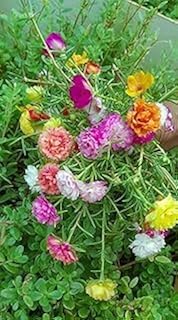
- Succulents: Many succulents (like Sedum or Portulaca/Moss Rose) offer dozens of color variations and are almost impossible to kill in the heat.
- Local Nursery Favorites: Search for local Indian varieties of marigold, jasmine, and periwinkle, which are bred for regional climate resilience.
If you'd like, I can focus on one of these categories at a time to give you a deeper, more detailed list of specific product options to help you build your collection step-by-step. Which category should we expand on first?
Succulents: Many succulents (like Sedum or Portulaca/Moss Rose) offer dozens of color variations and are almost impossible to kill in the heat.
I’ll check current product listings first, then narrow them down to options that fit your request.
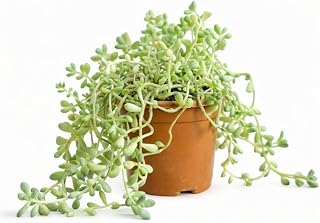
Succulents are indeed your best allies for a heat-defying garden. They are water-wise, incredibly hardy, and provide a brilliant range of textures and colors. Here are some of the most resilient and beautiful options that will thrive in your garden:


its a too short list
I’ll check current product listings first, then narrow them down to options that fit your request.
I understand; to create a vast collection, you should look at buying "combo packs" or "nursery collections." This is the fastest way to acquire many varieties of resilient, heat-loving succulents and cacti at once.
Here are some excellent, diverse collections you can add to your garden:


Now start searching for me enduring (with little care) and resilient small flowering plants, creepers, flowering trees and herbal plants.
I’ll check current product listings first, then narrow them down to options that fit your request.
I have found a wonderful selection of plants that are perfect for a low-maintenance, resilient garden in India. These options include medicinal herbs, fragrant creepers, and beautiful flowering shrubs, all known for their ease of care and endurance.


